 020 8998 8775







 Made in London. Manufacturing windows & doors for the trade since 1980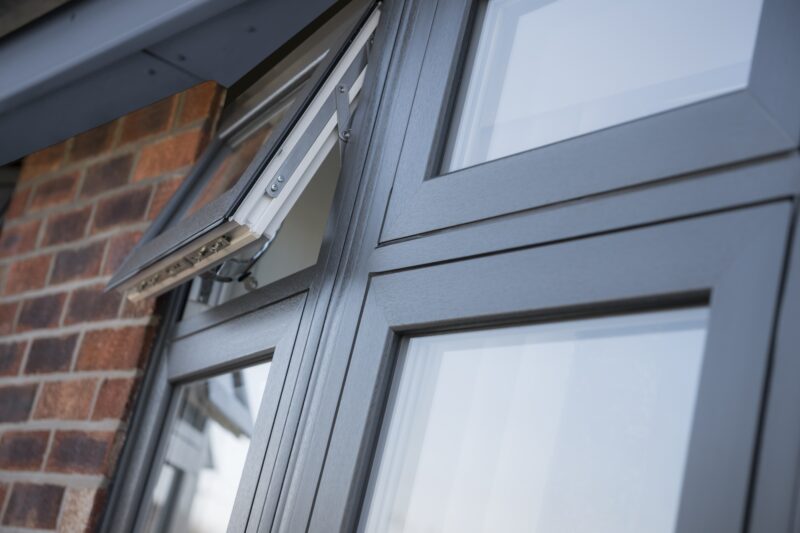
The conversation around aluminium vs uPVC windows has shifted – and not in the way many might expect.
What was once a straightforward comparison based on cost and performance is now shaped by design expectations, project context and how a home is actually lived in day to day. Homeowners are arriving with clearer ideas, often influenced by modern extensions, architectural trends and design-led content.
For installers, this changes the conversation. It is no longer about comparing materials in isolation, but about matching the right solution with what the customer is trying to achieve.
A more design-led customer
Homeowners are more visually aware than ever. Glazing is no longer a background decision – it plays a central role in how a home looks and feels.
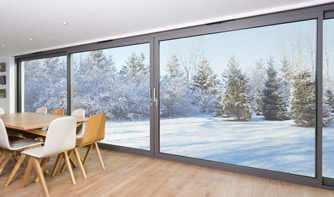
Many are now looking for larger glazed areas, darker frame colours, such as anthracite grey or black, and slimmer sightlines to create a more architectural finish. This reflects a wider shift in residential design, where glazing is used to influence the character of a property, rather than simply frame a view.
Frame finishes are now selected with far greater intention, often playing a key role in the overall design of the property. This shift is particularly evident in renovation and extension projects, where glazing is considered much earlier in the design process and used to shape both internal and external spaces.
Why aluminium became the benchmark
Aluminium has become closely associated with contemporary glazing – not just because of performance, but because of the look it helps achieve.
Its strength allows for larger panes, slimmer frames and more expansive openings, making it ideal for modern extensions and open-plan layouts. This has positioned aluminium as the benchmark for homeowners looking to achieve a clean, minimal design style.
The move towards minimalist design has reinforced this further. Slim profiles and larger glass areas allow light to become a defining feature of the space, creating a stronger connection between inside and out, and contributing to a more open, considered layout.
For many homeowners, aluminium represents the look they want to achieve, even if it is not always the final specification.
How uPVC has evolved
At the same time, uPVC has undergone a significant transformation.
Modern systems are no longer defined by standard white frames. We’ve seen the surge in demand for flush sash designs, a wider range of colour finishes and timber optic detailing for heritage projects.
The same can be said for darker frame colours – particularly black and anthracite grey. These finishes have become closely associated with contemporary aluminium glazing, shaping homeowner expectations around what ‘modern’ looks like.
We’ve made sure our One Collection uPVC windows range has been developed to answer that demand – combining flush sash styling with a wide choice of colour finishes, including an increasingly popular matt black, within a single, consistent system.
For many projects, this creates a more balanced solution. Installers are able to deliver the architectural look homeowners are asking for, while retaining the flexibility, performance, environmental credentials and cost efficiency of uPVC. In practice, this is where a large proportion of renovation projects now sit – achieving the appearance associated with aluminium, without the same level of overall project cost.
The real decision behind aluminium vs uPVC
In practice, the choice between aluminium and uPVC is rarely absolute.
It depends on how the product fits the project. Larger openings and more ambitious designs may lean towards aluminium, where structural strength is essential.
Across replacement window projects or full-house renovations, however, priorities are often different. Homeowners want a high-end look, but within a realistic overall project cost – which is why well-specified uPVC is increasingly part of the conversation.
Budget plays a key role. Aluminium windows and doors might be the starting point, but as the full scope of the project becomes clearer, alternative solutions come into play.
How installers are adapting
Installers are responding by reframing how they present products. Rather than focusing purely on material differences, the conversation must now be centred around outcomes – how the finished space will look, how it will function and how it fits within the wider project.
There is also movement towards more focused product ranges. Instead of offering multiple overlapping systems, many installers are working with a selective portfolio that covers the majority of requirements, without unnecessary complexity.
Everglade Windows believes in a ‘curated, not crowded’ approach in the current market. By combining aluminium and uPVC systems within a clear, considered range, installers can simplify decisions, while still meeting varied briefs.
Real project examples have also become more important. Homeowners want to see how glazing performs in similar properties, helping them visualise how the finished result will look in their own home.
A changing conversation
The conversation around aluminium vs uPVC has moved beyond simple comparisons. The gap is no longer defined purely by performance, but by how effectively each option responds to the demands of the project and the expectations of the homeowner.
Aluminium continues to lead in larger, design-led applications, while modern uPVC systems are increasingly capable of delivering the same visual intent across a broader range of homes.
For installers, the opportunity lies in recognising this and guiding customers towards the right solution, rather than defaulting to a single material. With a focused product range and a clear understanding of modern design expectations, they are better positioned to win work and deliver results that balance aesthetics, performance and commercial viability.
If you’re looking to simplify specification, offer the right solution with confidence and win more of the projects homeowners are asking for, it’s time to speak to the Everglade Windows team.